

Begin with a question
When we imagine a new garden, it is tempting to start with things to add: a tree, a pergola, a path or a larger dining table. Yet the first stage of design is about what is already there. Before collecting photographs of other places, spend a little time in your own. Notice where you feel comfortable, which routes are awkward and what catches your eye. These small observations are often more useful than a broad preference for a particular style.
A garden does not have to resemble a picture saved on your phone. It needs a relationship with the house, the conditions of the site and the people who use it. Looking carefully helps establish that relationship before a shape is drawn.
Follow the changing light
The same spot can feel inviting in the morning and uncomfortable later in the day. Shadows shift with the hours and the seasons, so a quick visit offers only a glimpse. Take photographs from recognisable positions at different times. Keep the exercise simple: note where the sun reaches, where shade remains and where you naturally choose to sit.
These observations help place activities where they make sense. A breakfast table may need a different relationship with the light from a chair used for afternoon reading. Windows matter too. Something that creates shade outdoors can also change the quality of light inside, so consider both sides of the view.
Notice the routes you actually take
A line on a plan is not always the route people follow. Watch how you reach the front door, the store, the washing line or the outdoor table. Notice where you have to move a chair, step around a planter or cross an uncomfortable surface. Small frustrations can offer a very practical starting point for design.
Clear circulation does not necessarily mean adding more paving. Sometimes an object needs a different position, a route needs continuity or a place to pause needs separating from a place to walk through. Before choosing a surface, establish where the route should lead and which parts of the garden it could connect.
Look out from the rooms you use
A garden is part of home even when nobody is outside. Look through the windows you pass most often, and from the places where you sit. The view from a kitchen table may be very different from the view at standing height. An area that seems secondary on a plan might be the most familiar scene in everyday life.
Not every outlook needs to be enclosed by planting. Some should stay open; others gain depth from a leafy foreground. Before choosing a continuous screen, identify exactly what you want to soften, from which position and at what time. The answer may be a more selective intervention than you first expected.
Find the things worth keeping
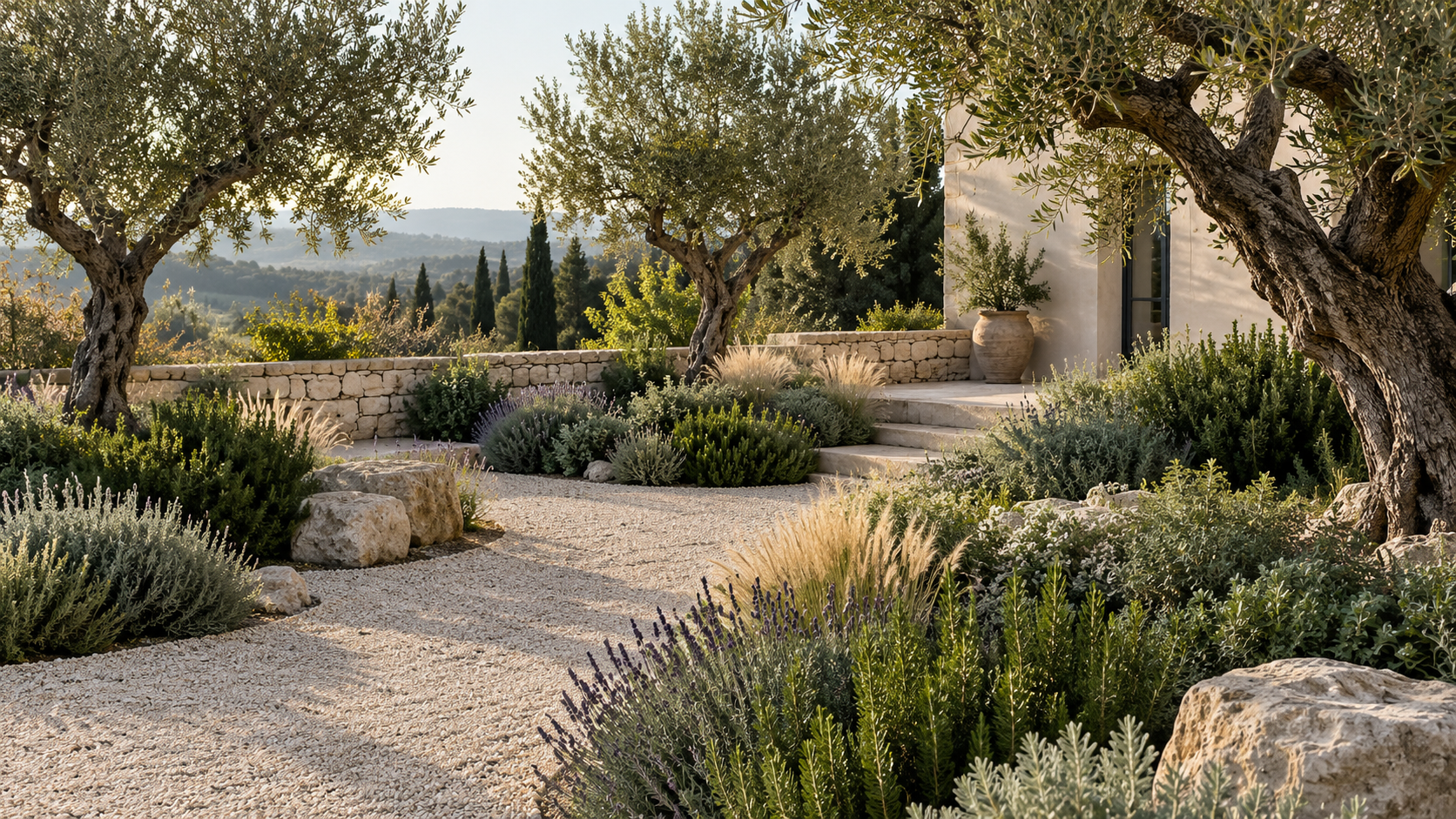
A mature tree, a textured wall or paving that has developed character can give a new composition its identity. Photograph these elements separately and describe what you like about them: their scale, colour, shade or connection with a familiar activity. This helps distinguish their particular value from the simple fact that you are used to seeing them there.
Keeping something does not mean leaving its surroundings untouched. An existing feature can gain presence when the setting around it changes. Turning a seat may reveal the shape of a trunk; simplifying a planting bed may bring a wall back into focus. Plant condition and possible interventions need closer assessment before final decisions are made.
Put everyday life on the page
Alongside the photographs, write down an ordinary day in the garden. Where would you like to drink your first coffee? How many people usually sit at the table? Do you enjoy looking after plants, or would you rather spend that time reading? You do not need to imagine a special occasion. The most useful answers often come from routine.
Include the things that need a place without becoming the main event, such as tools, containers and service routes. A design that considers only ideal moments can leave everyday needs unresolved. These notes also help establish priorities, separating a central wish from an option that could comfortably wait for a later stage.
Turn observations into a direction
Once you have gathered these impressions, summarise them as a few clear intentions: keep a view open, find shade near the kitchen, retain a tree, make a route easier. Together, they form the beginning of a brief. They are more useful than a long list of unrelated materials and plants, because they describe what the garden needs to do.
The design may offer possibilities you have not yet imagined, but it will have a clear starting point. Careful observation does not delay the drawing; it gives the drawing purpose. Instead of asking only what could be added, you begin to ask how you want to live here, and what the place can already contribute.